
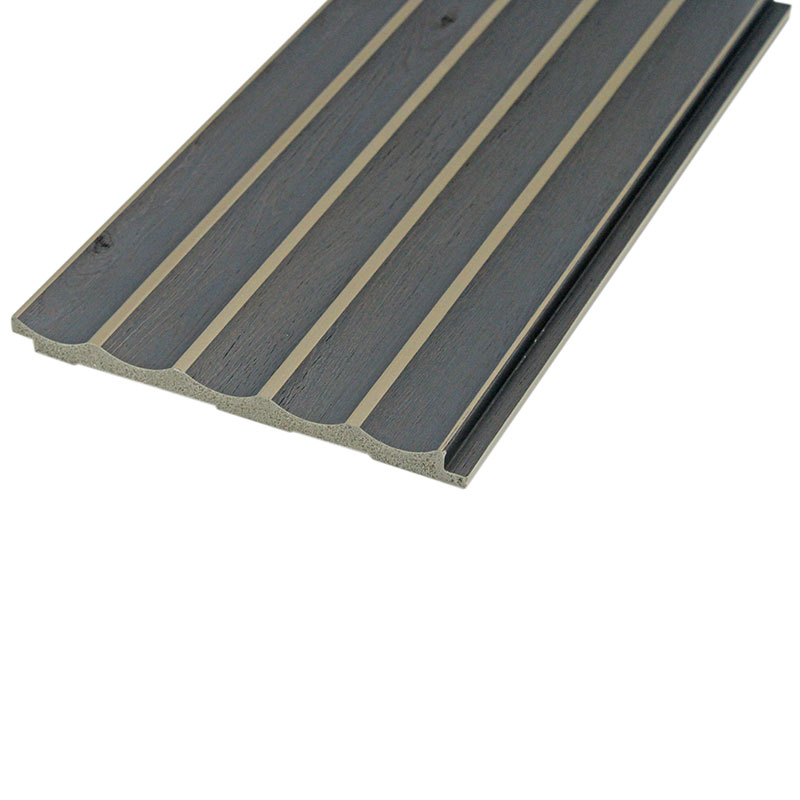
In the rapidly evolving construction and interior design industries, building materials continue to advance, offering enhanced durability, aesthetic appeal, and versatility. Among these materials, PVC sheets have gained significant traction due to their remarkable properties and wide range of applications. This article explores the various sizes of PVC sheets available in the market today, their benefits, and how leading manufacturers are innovating to meet the diverse demands of modern construction projects.
### Understanding PVC Sheets and Their Importance
Polyvinyl chloride (PVC) sheets are synthetic plastic sheets widely used across construction, advertising, furniture, and other industrial sectors. Known for their lightweight nature, chemical resistance, waterproof characteristics, and ease of fabrication, PVC sheets provide a reliable and cost-effective alternative to traditional materials like wood, metal, and glass.
PVC sheets are typically produced in a variety of thicknesses and dimensions, allowing for application-specific customization. These sheets can be rigid or flexible, depending on intended use, and can be treated with surface finishes to enhance aesthetics or functional attributes such as UV resistance.
### Common PVC Sheet Sizes and Their Applications
The standard sizing of PVC sheets plays a crucial role in project planning and cost management. Manufacturers usually produce sheets in sizes tailored for maximum utility and minimal wastage. Below are the most commonly produced dimensions in the industry:
- **Thickness:** PVC sheets are available in thicknesses ranging from as thin as 0.5 mm to over 10 mm. Thinner sheets (0.5-2 mm) are often used for flexible applications such as labels, thermoforming, or protective layers. Thicker sheets (3 mm to 10 mm and above) are ideal for structural applications such as wall panels, partitioning, and furniture components.
- **Standard Dimensions:** The most common sheet sizes include 4 feet by 8 feet (1220 mm x 2440 mm) and 5 feet by 10 feet (1500 mm x 3000 mm). These dimensions fit well with construction materials and are compatible with most fabrication and cutting tools.
- **Custom Sizes:** Advanced manufacturing facilities offer customized sheets cut to specific sizes or shapes to reduce waste and tailor product deployment. This flexibility supports architects and builders in creating unique designs without compromise.
### Advantages of Using PVC Sheets in Construction and Interior Design
PVC sheets provide multiple benefits, making them highly favored in both interior and exterior applications:
1. **Durability and Weather Resistance:** PVC sheets resist moisture, corrosion, and many chemicals, making them ideal for outdoor cladding and damp-prone indoor environments like kitchens and bathrooms.
2. **Lightweight and Easy to Handle:** The lightweight nature of PVC significantly reduces transportation costs and labor efforts associated with installation.
3. **Cost-Effectiveness:** Compared to natural materials, PVC sheets are economical yet provide comparable or superior longevity and minimal maintenance.
4. **Design Flexibility:** Available in various colors, textures, and thicknesses, PVC sheets meet aesthetic and functional requirements of diverse projects.
5. **Environmentally Friendly Options:** Many manufacturers offer recyclable PVC sheets or products made with environmentally considerate processes, aligning with green building trends.
### Innovations in PVC Sheet Manufacturing
Leading manufacturers continuously improve their production techniques to enhance product quality and meet market demands. Modern facilities integrate automated production lines capable of producing high volumes with consistent thickness, smooth finishes, and dimensional accuracy.
Moreover, some enterprises are expanding their product portfolios by integrating advanced composite materials or eco-friendly additives to improve strength, flexibility, and environmental performance.
### Company Profile: An Integrated Manufacturer of WPC and PVC Products
One prominent player in this sector is **Shandong WALLART New Building Material Co., Ltd.**, an enterprise that combines product development, production, and sales under one roof. The company specializes in the production of wood-plastic composite (WPC) products suitable for both interior and exterior uses and a broad range of PVC products including sheets.
By leveraging cutting-edge technology and a strong R&D team, the company offers a diversified product line that caters to customized needs and industry standards. Their manufacturing processes emphasize quality control and innovation, ensuring end-users receive reliable and high-performance materials.
### Market Trends and Future Outlook
The building materials market is shifting towards sustainable, versatile materials that simplify construction while enhancing aesthetics and durability. PVC sheet manufacturers are responding to higher demand by expanding production capabilities and offering more size variations and finishes.
Additionally, integration with digital design and fabrication technologies such as CNC cutting and 3D printing paves the way for unique, precise applications and reduced material wastage.
### Conclusion
PVC sheets continue to be an indispensable material in the construction and design industries due to their favorable properties and adaptability. With an array of sizes available, professionals can select sheets tailored to their projects, ensuring optimal performance and cost savings.
Companies like Shandong WALLART New Building Material Co., Ltd. are at the forefront, driving innovation in PVC sheet production along with complementary WPC products. Their commitment to quality and comprehensive manufacturing capabilities positions them well to meet the growing and evolving demands of the building materials market.
As technological advances and environmental concerns shape industry demands, PVC sheet sizes and product offerings will likely diversify further, providing construction and design sectors with increasingly efficient, sustainable, and creative solutions.