
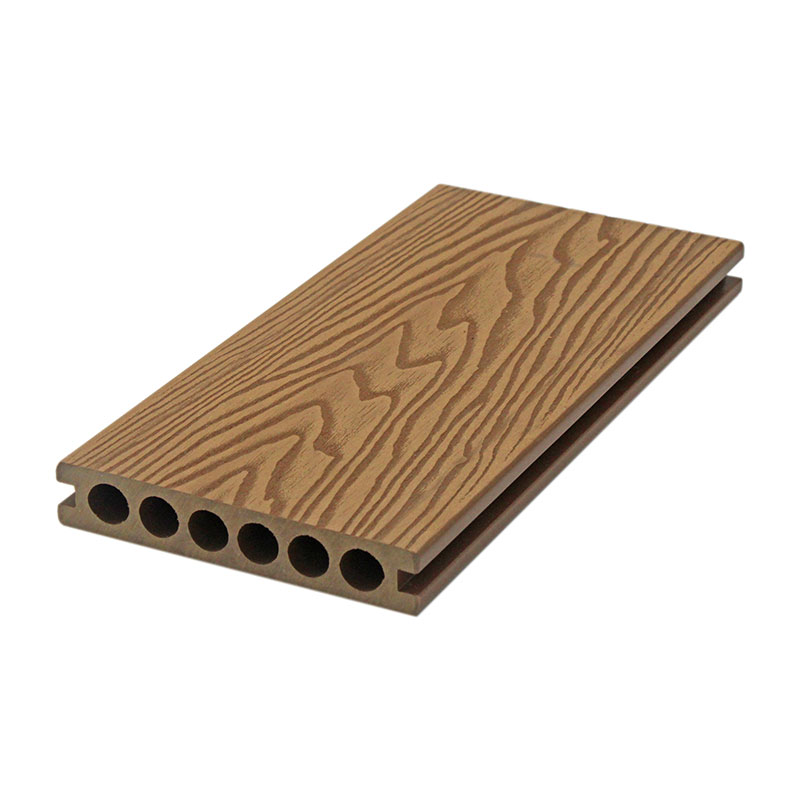
In the rapidly evolving field of interior decoration, the demand for materials that combine aesthetics, durability, and ease of installation is ever-increasing. One of the latest trends capturing attention within the building and renovation industries is the use of Wood Plastic Composite (WPC) indoor wall panels. Offering an excellent balance of cost-efficiency and performance, these panels have become a favored choice among homeowners, designers, and contractors alike.
**What Are WPC Indoor Wall Panels?**
WPC indoor wall panels are composite materials made from a blend of wood fibers and plastic components. This combination results in a product that inherits the natural appearance and warmth of wood but boasts enhanced durability, moisture resistance, and termite-proof qualities, which traditional wood simply cannot offer. The panels are designed for interior applications such as wall cladding, ceiling decoration, and partition walls, elevating the aesthetic appeal of living spaces while ensuring long-term protection.
**Key Advantages of Cheap WPC Indoor Wall Panels**
One of the primary factors driving the popularity of WPC panels is their affordability. Compared with natural wood or other premium wall cladding materials, WPC panels offer a budget-friendly alternative without compromising on quality. This makes them ideal for large-scale projects and residential renovations where cost control is crucial.
Moreover, these panels stand out for their easy and quick installation process. Unlike conventional materials that require skilled labor and extensive preparation time, WPC panels are designed for snap-together or tongue-and-groove assembly systems. Such features significantly reduce installation time and labor costs. This quick installation is particularly beneficial for projects with tight deadlines or limited manpower resources.
Another notable advantage is their low maintenance needs. WPC panels are resistant to moisture, fading, and insects, meaning they remain attractive and functional for years with minimal upkeep, unlike traditional wood which requires regular sealing or painting. They also contribute to creating a healthier indoor environment since they do not emit harmful formaldehyde or volatile organic compounds (VOCs), often a concern with synthetic building materials.
**Innovative Production by Shandong WALLART New Building Material Co., Ltd.**
Behind this booming trend is the dedication of leading manufacturers such as Shandong WALLART New Building Material Co., Ltd., a professional enterprise specializing in the development, production, and sales of WPC interior and exterior products as well as PVC products. Leveraging advanced technologies and robust production facilities, Shandong WALLART ensures that each panel meets stringent quality standards.
With a focus on innovation and sustainability, the company has optimized the formulation of its WPC products to improve their environmental profile, using recycled materials wherever possible and ensuring that the panels are recyclable after their service life.
**Applications and Market Impact**
WPC indoor wall panels have versatile applications, ranging from residential homes to commercial spaces such as offices, hotels, and retail outlets. Their slender profiles and variety of textures, colors, and finishes enable architects and interior designers to produce bespoke environmental atmospheres—from rustic, cozy simplicity to modern minimalism or luxurious elegance.
The market impact of these panels is particularly strong in regions seeking affordable, durable, and eco-friendly building solutions. Additionally, the increasing awareness of environmental protection has prompted builders to choose materials that align with green building certifications and sustainability goals, a niche where WPC panels excel.
**Consumer and Installer Benefits**
For the end consumer, adopting WPC indoor wall panels translates to savings in both the short and long term. The initial affordability combined with reduced installation time lowers upfront costs, while the durability and minimal maintenance reduce future expenses related to repairs or replacements.
Installers appreciate the panels’ user-friendly design, which not only speeds up the construction process but also minimizes errors and material waste. The panels’ resistance to common problems such as warping, cracking, and fungal growth ensures hassle-free handling.
**Outlook for the Future**
With evolving technology and increasing demands for more sustainable building materials, the WPC indoor wall panel market is poised for continuous growth. Ongoing research and development efforts by manufacturers like Shandong WALLART New Building Material Co., Ltd. aim to enhance the panels' mechanical properties, diversify appearances, and lower production costs even further.
This innovation-driven approach, combined with rising consumer interest in quick, stylish, and budget-conscious interior solutions, signifies a promising future for WPC panels as a mainstream product within the building materials sector.
**Conclusion**
The advent of cheap WPC indoor wall panels represents a significant advancement in the field of interior decoration materials. Their quick installation features, coupled with affordability and durability, provide tremendous value to consumers and industry professionals. Supported by the expertise and manufacturing excellence of companies like Shandong WALLART New Building Material Co., Ltd., these panels are reshaping the way spaces are designed and constructed.
Whether for renovating a cozy home or outfitting a stylish commercial space, WPC indoor wall panels deliver a winning combination of function, form, and sustainability that meets the diverse and dynamic needs of modern architecture and interior design. As this trend gains traction worldwide, it promises to create more comfortable, attractive, and environmentally responsible spaces for years to come.