
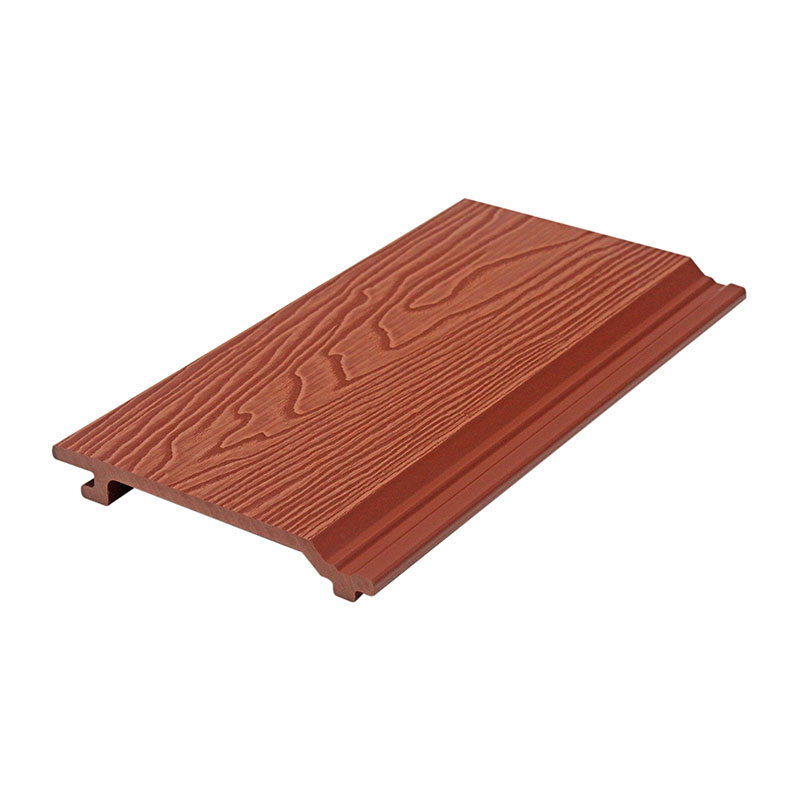
In recent years, the construction and interior design industries have witnessed a significant shift toward sustainable and durable materials. One of the standout products gaining widespread popularity is the Wood Plastic Composite (WPC) panel, known for its exceptional durability, aesthetic appeal, and eco-friendly attributes. As consumer demand rises, the pricing landscape for WPC panels is evolving, reflecting ongoing innovations and market dynamics.
**Understanding WPC Panels**
WPC panels are composite materials made from a blend of wood fibers and thermoplastics such as polyethylene or polyvinyl chloride (PVC). This unique combination results in a product that inherits the best properties of both components: the natural look and feel of wood, complemented by the durability and moisture resistance of plastic. These panels are widely used for both interior and exterior applications including wall claddings, flooring, decking, and fencing.
Beyond their visual appeal, WPC panels are valued for their resistance to rot, insects, and decay—common issues associated with traditional wooden materials. Their low maintenance requirements and longer lifespan make them a cost-effective choice in the long run, despite the sometimes higher initial investment compared to conventional building materials.
**Pricing Trends and Influencing Factors**
The pricing of WPC panels has experienced steady shifts driven by several factors:
1. **Raw Material Costs:** Fluctuations in the prices of wood fibers and plastics directly impact production costs. For instance, the increased demand for recycled plastics, a primary component in WPC manufacturing, influences market availability and cost.
2. **Technological Advancements:** Innovations in manufacturing processes, such as extrusion techniques and material formulation improvements, have enhanced product quality and reduced defects, helping to stabilize prices while offering better value.
3. **Market Demand:** Growth in eco-conscious construction projects, especially in residential and commercial sectors, has accelerated demand for WPC panels. This surge sometimes exerts upward pressure on prices, especially for premium, high-performance variants.
4. **Regulatory Influences:** Environmental regulations promoting the use of sustainable and recyclable materials encourage manufacturers to adopt greener production methods. Although this could initially lead to higher costs, improved efficiencies and economies of scale are expected to balance pricing over time.
**Company Spotlight: Shandong WALLART New Building Material Co., Ltd.**
At the forefront of the WPC panel industry is Shandong WALLART New Building Material Co., Ltd., an enterprise integrating product development, production, and sales. With a core focus on WPC interior and exterior products alongside PVC-based items, the company is well-positioned to address a broad range of market needs.
Shandong WALLART leverages advanced research and development capabilities to create panels that combine aesthetic versatility with functional excellence. Their portfolio includes innovative WPC solutions designed for varying climates and architectural styles, complemented by cost-effective PVC products that support diverse construction requirements.
By maintaining strict quality control standards and optimizing manufacturing processes, the company delivers competitive pricing without compromising on product durability or environmental responsibility. Strategic investments in technology and resource management have helped Shandong WALLART align with the current trends driving the WPC panel market.
**Sustainability and the Future of WPC Panels**
The increasing emphasis on green construction practices is a key driver behind the rising prominence of WPC materials. WPC panels utilize recycled plastics, reducing reliance on virgin raw materials and mitigating environmental footprints. Their recyclability further enhances their appeal in circular economy frameworks.
Moreover, WPC products contribute to energy savings during manufacturing and installation, and their durability lowers the need for frequent replacements—a factor that supports sustainable building lifecycle management.
As building codes and consumer preferences continue to favor eco-friendly solutions, pricing mechanisms for WPC panels are expected to stabilize and potentially become more favorable due to improved production scale and efficiency.
**Practical Applications and Market Outlook**
From residential cladding to commercial interiors, WPC panels offer a versatile alternative to traditional wood. Their ease of installation, resistance to weathering, and visual appeal make them suitable for a variety of projects.
The growing renovation market also boosts demand, as homeowners seek low-maintenance, long-lasting materials for upgrading their properties without extensive remodeling costs.
Looking ahead, the WPC panel sector is poised for further growth. Investment in research on new composites, enhanced UV resistance, color retention, and fire retardancy will expand application possibilities, supporting higher market penetration.
Furthermore, partnerships between manufacturers like Shandong WALLART and distributors worldwide are improving supply chain efficiencies, ensuring more consistent availability and competitive pricing.
**Conclusion**
The WPC panel market is undergoing dynamic changes as sustainable construction becomes mainstream. Pricing trends reflect a complex interplay of raw material costs, technological innovation, and increasing demand for environmentally responsible products.
Companies such as Shandong WALLART New Building Material Co., Ltd. exemplify industry leadership by integrating product development, manufacturing, and sales to deliver high-quality, competitively priced WPC and PVC solutions.
For architects, builders, and consumers alike, WPC panels represent a smart investment—combining ecological benefits, durability, and design flexibility. As the market matures, continued innovation is likely to make these products accessible to even broader audiences, cementing their role as a staple in modern building material selections.