
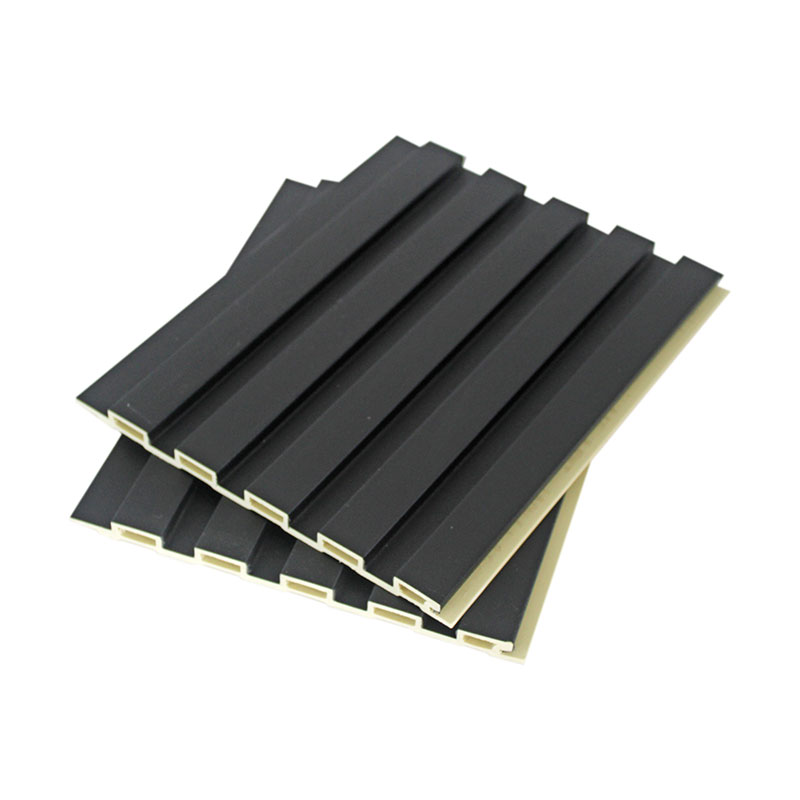
In the pursuit of aesthetically pleasing and durable interior solutions, wood-plastic composite (WPC) false ceilings have emerged as a remarkable option for both residential and commercial spaces. Merging the natural look of wood with the resilience of plastic, WPC false ceilings offer a versatile, eco-friendly, and cost-effective alternative to traditional ceiling materials.
**What is WPC False Ceiling?**
WPC false ceiling panels are made from a composite of wood fibers and plastic materials, making them highly resistant to moisture, termites, and warping. These panels are lightweight yet strong, allowing for easy installation and long-term durability. Due to their resistance to environmental factors and minimal maintenance requirements, WPC false ceilings are particularly suitable for humid climates and areas prone to termite infestation.
**Trends in WPC False Ceiling Design**
Modern interior design is witnessing a shift towards sustainable and multifunctional materials. WPC false ceilings fit perfectly into this paradigm by providing both aesthetic appeal and functional benefits. Contemporary designs incorporate various textures, colors, and patterns, enabling designers and homeowners to customize their spaces with creative ceiling applications. Popular motifs include geometric patterns, linear slats, coffered designs, and integrated lighting solutions embedded within the panels for an elegant ambiance.
One growing trend is the use of WPC ceilings in commercial offices, hotels, and restaurants, where high footfall and maintenance concerns necessitate durable and easy-to-clean surfaces. The natural wood-like finish of WPC also helps create warm, inviting environments while ensuring longevity.
**Advantages of Using WPC False Ceilings**
- **Durability:** The composite nature of WPC ensures superior resistance to cracking, peeling, and swelling compared to conventional wood.
- **Moisture Resistance:** Ideal for kitchens, bathrooms, and other damp areas where traditional plaster or gypsum ceilings may deteriorate.
- **Insect Resistance:** WPC inherently deters termites and other wood-boring pests.
- **Eco-friendly:** Utilizing recycled plastic and sustainable wood fibers reduces environmental impact.
- **Low Maintenance:** Easy to clean with standard household cleaners without the risk of soaking or damage.
- **Aesthetic Flexibility:** Available in a wide range of finishes, from natural wood grain to vibrant colors that match any interior style.
**Company Expertise in WPC and PVC Products**
Shandong WALLART New Building Material Co., Ltd. stands at the forefront of manufacturing innovative building materials, specializing in wood-plastic composite (WPC) interior and exterior products alongside high-quality PVC solutions. The company integrates product development, production, and sales, ensuring seamless quality control and customer service.
With years of experience in the industry, WALLART has honed its expertise in producing WPC materials that cater to both functional and decorative applications. Their product lineup features cutting-edge designs for false ceilings, wall panels, decking, and fencing solutions, leveraging advanced composite technologies to maximize durability while maintaining appealing aesthetics.
**Commitment to Quality and Innovation**
At the heart of WALLART’s operations lies a commitment to constant innovation and environmental responsibility. The company invests heavily in research and development to refine the properties of WPC and PVC materials, improving their performance in terms of weather resistance, UV stability, and fire retardancy.
By utilizing state-of-the-art manufacturing facilities equipped with automated production lines, WALLART guarantees consistency and precision in every product batch. This dedication to quality ensures that customers receive finished goods that meet national and international standards for safety and sustainability.
**Applications Beyond False Ceilings**
While WPC false ceilings have become a prominent part of WALLART’s offerings, the versatile nature of their composite products extends to various domains. Their PVC panels and components are widely used in interior decoration, external cladding, and outdoor landscaping. These materials are designed to withstand harsh weather conditions without fading or deforming, making them ideal for long-lasting architectural solutions.
**Sustainability in Construction**
The rise of WPC products aligns with growing environmental awareness in the construction sector. Traditional timber usage often involves deforestation and extensive resource consumption, whereas WPC incorporates recycled plastics and reclaimed wood fibers, reducing waste and conserving natural forests.
Moreover, the low maintenance and longevity of WPC installations contribute to sustainable building practices by decreasing the need for frequent replacement or repairs.
**Customer-Centric Approach**
Understanding diverse market needs, WALLART offers extensive customization options for clients. From bespoke panel sizes and thicknesses to color matching and surface textures, customers can tailor solutions that fit specific design requirements. This flexibility, combined with technical support and after-sales service, solidifies the company’s reputation as a trusted partner in building material supply.
**Conclusion**
The emergence of WPC false ceiling designs represents a significant advancement in interior construction and decoration. Thanks to their blend of natural appeal, durability, and eco-friendliness, these composite materials are rapidly gaining popularity among architects, designers, and homeowners. Companies such as Shandong WALLART New Building Material Co., Ltd. play a pivotal role by delivering high-quality WPC and PVC products that meet the evolving demands of modern construction with innovation and sustainability at their core.
As the demand for green building solutions continues to grow, WPC false ceilings are poised to become a standard feature in cutting-edge interior design, offering an attractive and functional alternative to conventional ceiling materials. With industry leaders actively pushing the boundaries of composite technology, the future of interior design looks both stylish and sustainable.